
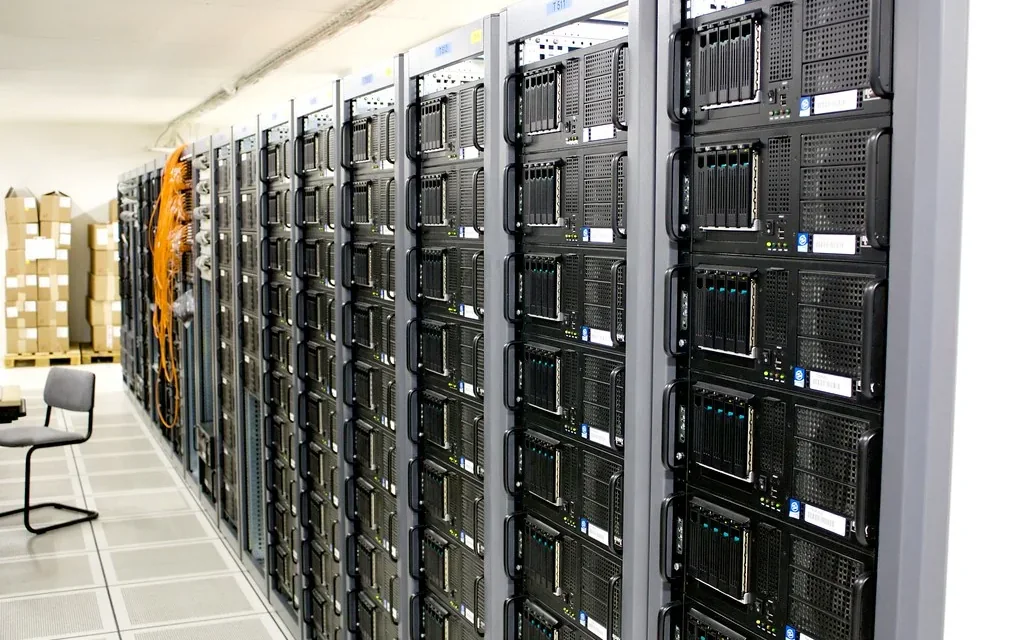
Data Center Fiber & Structured Cabling
Hybridata coordinates data center fiber and structured cabling around the approved design, site conditions, and project requirements. The scope is confirmed with the facility, pathways, equipment areas, and project sequence in view.
Headquartered in Fort Worth, Texas · Nationwide IT integration services
Read the physical layer in the context of the facility.
Data center fiber and structured cabling need a clear relationship to available design information, rooms, pathways, equipment areas, access, and the project sequence. Testing and turnover requirements are defined for the project rather than assumed.
- 01
Approved information
Start with the design information, fiber and cabling requirements, and scope currently available.
- 02
Facility areas
Review the rooms, pathways, equipment areas, and access constraints included in the project.
- 03
Project sequence
Coordinate the relevant field sequence with the applicable project parties and known site context.
- 04
Records
Confirm the project-defined methods, acceptance criteria, records, and handoff requirements.
Connect facility information to the next scope question.
The physical layer is a relationship among the facility, the approved requirement, the locations involved, and the project record. This explanatory context does not state capacity, uptime, certification, or performance results.
- 01
Facility
Rooms, pathways, equipment areas, access, and visible conditions.
- 02
Approved requirement
The documented fiber and structured-cabling need for the current project.
- 03
Project scope
The activities, responsibilities, and open questions that require coordination.
- 04
Project record
The project-defined methods, criteria, records, exceptions, and handoff items.
Use the available facility information before assuming the answer.
A useful discussion names the areas involved, the approved requirement, available records, equipment context, access, and responsibility boundaries. The scope can then be confirmed with the project parties rather than described as a standard installation package.
- 01Areas in scope
- Identify the rooms, pathways, equipment areas, and current information relevant to the request.
- 02Known conditions
- Describe visible conditions and available records without presenting unknown conditions as confirmed.
- 03Project parties
- Clarify who provides information, who owns decisions, and who reviews project-defined requirements.
- 04Next review
- Identify whether a consultation or site survey is the more useful next step.
Make the record part of the scope conversation.
Labels, test records, exceptions, and turnover items are meaningful only when they are connected to the project-defined requirement. Hybridata does not state a universal test method, certification, or acceptance result.
- 01Identity
- Use the identifiers and naming approach defined for the project.
- 02Method
- Confirm any method named by the approved project requirement.
- 03Acceptance
- Keep criteria and responsible review with the project-defined acceptance path.
- 04Handoff
- Identify the records and exceptions that belong in the agreed turnover package.
Keep each change tied to its current context.
A new project, an existing-system change, or a future conversation can begin with the same discipline: clarify the facility, available information, requirements, responsible parties, and scope. No outcome or timing result is implied before review.
- 01
Before review
Gather the available information, questions, access context, and responsible contacts.
- 02
Scope conversation
Clarify the approved requirement, included activities, dependencies, and decision ownership.
- 03
Project-defined work
Coordinate the field work, records, and handoff items that belong in the approved scope.
- 04
Afterward
Use the agreed project record and responsible-party review path for any next action.
Review the physical layer before the next project step.
Share the facility context, available design information, project stage, known requirements, and open questions.