
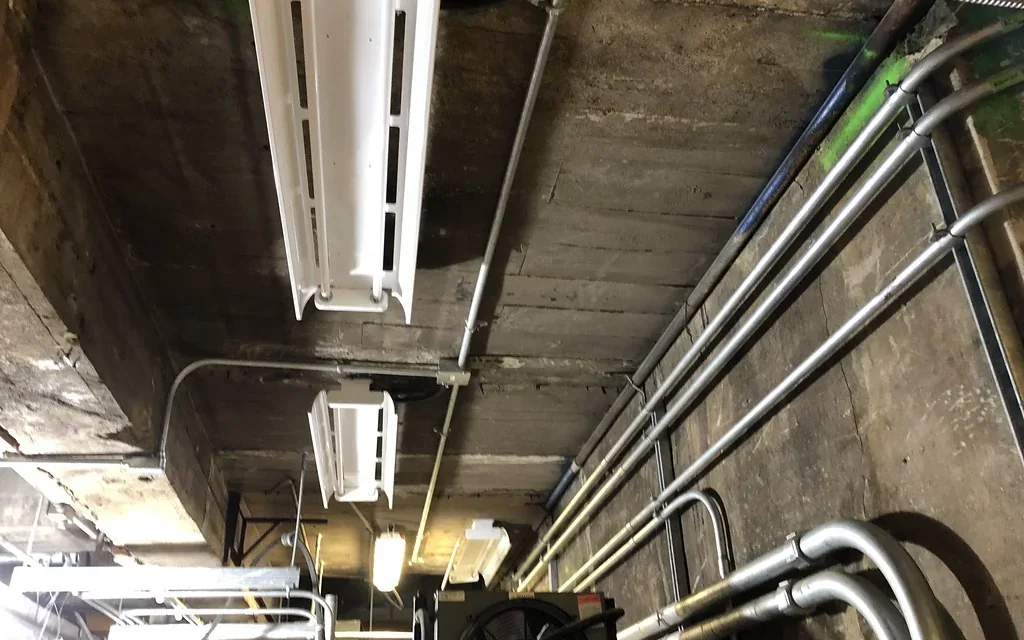
OSP Fiber Infrastructure & Route/Permit/ROW Coordination
Hybridata coordinates outside-plant fiber infrastructure with the route, permit, and right-of-way requirements defined for the project. Responsibilities, dependencies, and approval steps are discussed with the applicable project parties.
Headquartered in Fort Worth, Texas · Nationwide IT integration services
Define the route before fieldwork begins.
Outside-plant fiber work depends on more than a proposed line on a plan. The route, available information, known conditions, project stage, and responsible parties shape the next useful coordination step.
- 01
Route endpoints
Identify the facilities or service points involved and the route information already available.
- 02
Known context
Record known path, pathway, access, and construction conditions without treating unknown conditions as confirmed.
- 03
Project parties
Name the owner, project team, utility, property, authority, or other party whose input may be needed.
- 04
Scope questions
Clarify what Hybridata is coordinating and which decisions remain with another responsible party.
Keep decision ownership visible as information moves.
A route conversation is more useful when each input has a named source and each open decision has a named owner. Hybridata can coordinate the work included in the project scope without presenting external approval as assured.
- 01
01 · Available information
Collect the route information, site context, and project requirements that are already available.
- 02
02 · Open questions
Name the missing details, dependencies, and responsible parties needed for the next review.
- 03
03 · Defined coordination
Keep project tasks and information requests connected to the approved scope.
- 04
04 · Responsible decision
Record where the next decision belongs and what changes after it is made.
Separate known conditions from assumptions.
The proposed route may involve visible site context, available records, access requirements, construction interfaces, and decisions held by other parties. The project scope defines what information needs review before field work is scheduled.
- 01
Site context
Use available site information as a starting point, then identify what still needs confirmation.
- 02
Access
Clarify the locations, contacts, timing, and constraints relevant to the agreed review.
- 03
Dependencies
Keep external information, approvals, and project-party actions visible as dependencies.
- 04
Project record
Associate open questions and decisions with the current route conversation rather than a generic promise.
A field date is not the same as field readiness.
Readiness is established through the project-defined route, access, scope, timing, and record requirements. A stated date does not replace the information and decisions needed by the responsible project parties.
- 01
Route
Connection points and the current route direction are described in the available project information.
- 02
Access
Site, work-area, and responsible-contact requirements are named for the project conversation.
- 03
Scope
Included work and external responsibilities are clear enough to review without implying an outcome.
- 04
Records
Any required route information, labels, test expectations, or handoff items are defined by the project.
Keep the physical work connected to the route decision.
When the project scope is approved, Hybridata can coordinate the OSP fiber infrastructure work included in that scope. Methods, acceptance criteria, records, and turnover items are project-defined rather than universal statements.
- 01
Confirm the scope
Reconcile available route information, access, timing, and known open items with the project requirements.
- 02
Coordinate the work
Keep the included field activities connected to the current scope and responsible-party decisions.
- 03
Use defined requirements
Follow the methods, records, and acceptance path specified for the project.
- 04
Hand off agreed information
Provide the route-related records and handoff items named in the agreed scope.
Start with the route and known project context.
Share the connection points, route information, project stage, known conditions, and the open questions that need coordination.